The Best Chrome Scam Detectors of 2026: Why "Blacklists" Are Dead and AI Is Essential
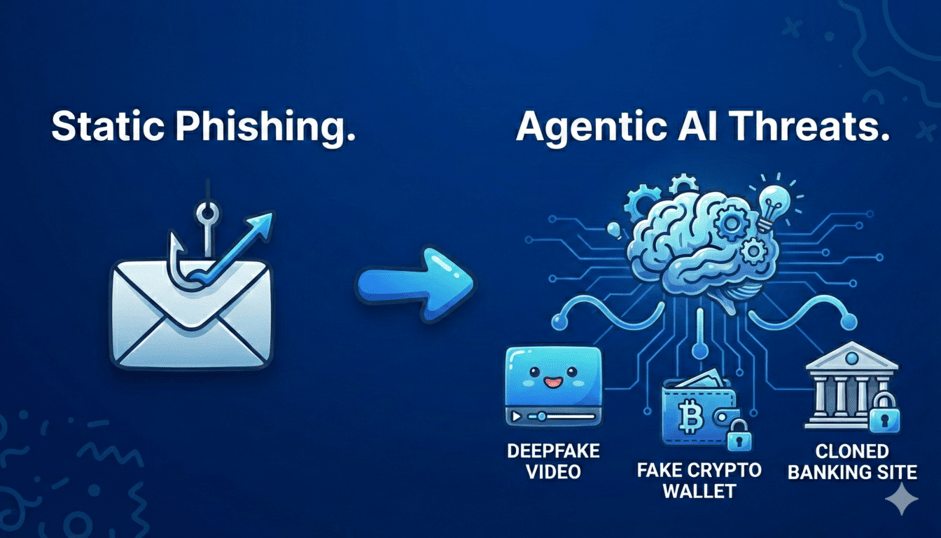
The internet of 2026 is a digital minefield. We have moved past simple phishing links; we are now facing Agentic AI threats—autonomous bots that create hyper-realistic fake banking portals, deepfake crypto endorsements, and personalized email scams in milliseconds.
If you are still relying on a browser extension that only checks static "blacklists," you are already vulnerable. By the time a security company flags a malicious URL, the scammer has already deleted it and moved to a new one.
To stay safe in 2026, you need a tool that doesn't just look at a list, but understands the intent of a website. Here are the top-ranked Chrome scam detectors for this year.
The Top Choice for 2026
1. Scamy.io
Best For: Real-time web protection, AI email security, and breach monitoring.
Scamy has risen to become the "must-have" extension of 2026 because it abandoned the legacy approach to cybersecurity.
Instead of relying on slow, outdated databases of "known bad sites," Scamy uses a localized, lightweight AI model to scan the content, context, and visual intent of a page the millisecond it loads. Combining this with traditional analysis of the domain reputation, registration date, location and owners is making from Scamy one of the top tools that fight scam websites.
Why It Wins in the AI Era:
- Fake Store Detection: Scamy’s visual AI recognizes when a new domain is "cloning" a major brand’s layout or using AI-generated product images to lure shoppers into no-ship scams.
- Email & Inbox Shield: Scamy integrates directly with your webmail (Gmail, Outlook) to flag AI emails—phishing attempts written by bots that bypass traditional spam filters.
- Breach Monitoring: Includes a proactive dark web scanner that alerts you the moment your email or phone number appears in a new leak.
The Verdict: Scamy is the most complete security tool of 2026, offering 360-degree protection across the web, your email, and your personal data identity.
2. Guardio
Best For: Browser hygiene and removal of malicious extensions.
Guardio remains a heavyweight in 2026, particularly for users whose browsers have already been compromised. While Scamy focuses on preventing the hit, Guardio excels at cleaning up the mess.
- Key Strength: It is the industry leader in detecting and neutralizing "hijacker" extensions that change your search engine or track your keystrokes.
- Features: It offers data breach alerts and notification blocking (stopping those annoying "Your PC is infected!" pop-ups).
- The Catch: Guardio is a "freemium" model. To get real-time blocking and full cleanup, you’ll need a monthly subscription, which can be pricier than Scamy’s overall bundle.
Verdict: Best for users who feel their browser is already "cluttered" or slow and want a professional-grade cleanup and insurance policy.
3. Bitdefender TrafficLight
Best For: Traditional malware blocking and enterprise stability.
Bitdefender’s TrafficLight is the reliable "old guard." It relies on Bitdefender’s massive global database of threat intelligence.
- Advanced Malware Filter: While other tools focus on "scams," Bitdefender is superior at catching "drive-by downloads"—hidden scripts that try to install viruses on your PC without any user interaction.
- Low Impact: It is arguably the most unobtrusive extension, staying completely invisible until a threat is detected.
Verdict: The top choice for traditionalists who want the most reliable, data-heavy malware protection from a world-renowned cybersecurity firm.
4. Scam Sniffer
Best For: Web3, Crypto, and NFT traders.
If your daily browsing involves connecting a MetaMask, Phantom, or Coinbase Wallet, standard detectors aren't enough. Scam Sniffer is highly specialized for the Web3 world. It simulates smart contract transactions before you sign them, warning you if a contract is trying to drain your assets.
- DApp Verification: It maintains a specialized database of verified Web3 decentralized apps (DApps) and flags "homograph" attacks (sites that look like Uniswap but use a slightly different character in the URL).
- Approval Alerts: It alerts you if a site asks for "Unlimited Approval" of your tokens—a common tactic used by scammers to empty a wallet later.
Verdict: A "must-have" second layer of defense for anyone interacting with the blockchain, though it offers less value for standard, non-crypto browsing.
5. Netcraft Extension
Best For: Technical users, researchers, and reporting scams.
Netcraft has been around since the 1990s, and it remains the tool of choice for cybersecurity researchers. The Netcraft Extension is less about "AI magic" and more about hard data. It provides a toolbar showing the hosting location, country, age of the domain, and risk rating of every site you visit.
- Site Reports: At a glance, you can see the hosting provider, country of origin, and longevity of any website.
- Community Intelligence: If a site is too new or hosted on a provider known for harboring scammers, Netcraft displays a clear warning based on its deep historical archives.
- The "Report" Button: Netcraft makes it incredibly easy for users to report new phishing sites, contributing to a global database that protects millions of others.
Verdict: Best for technical users and "internet citizens" who value transparency and want to contribute to global web safety.
Final Recommendation: Which One Should You Choose?
The "Best" detector depends entirely on your digital footprint:
- For Modern Daily Browsing: Scamy is the winner. Its hybrid AI is the only tool specifically built to handle the short lifespan of 2026's AI-generated fake stores and phishing links.
- For Browser Hygiene & Insurance: Guardio is the best fit if you want a tool that "tends the garden" of your browser and provides a financial safety net if things go wrong.
- For Pure Malware Defense: Bitdefender TrafficLight is the gold standard for blocking traditional viruses and exploit kits.
- For the Crypto-Active: Scam Sniffer should be used as a secondary extension alongside one of the others to protect your digital assets.